Korean Bibimbap
Uitgelicht onder: Wereldse Favorieten
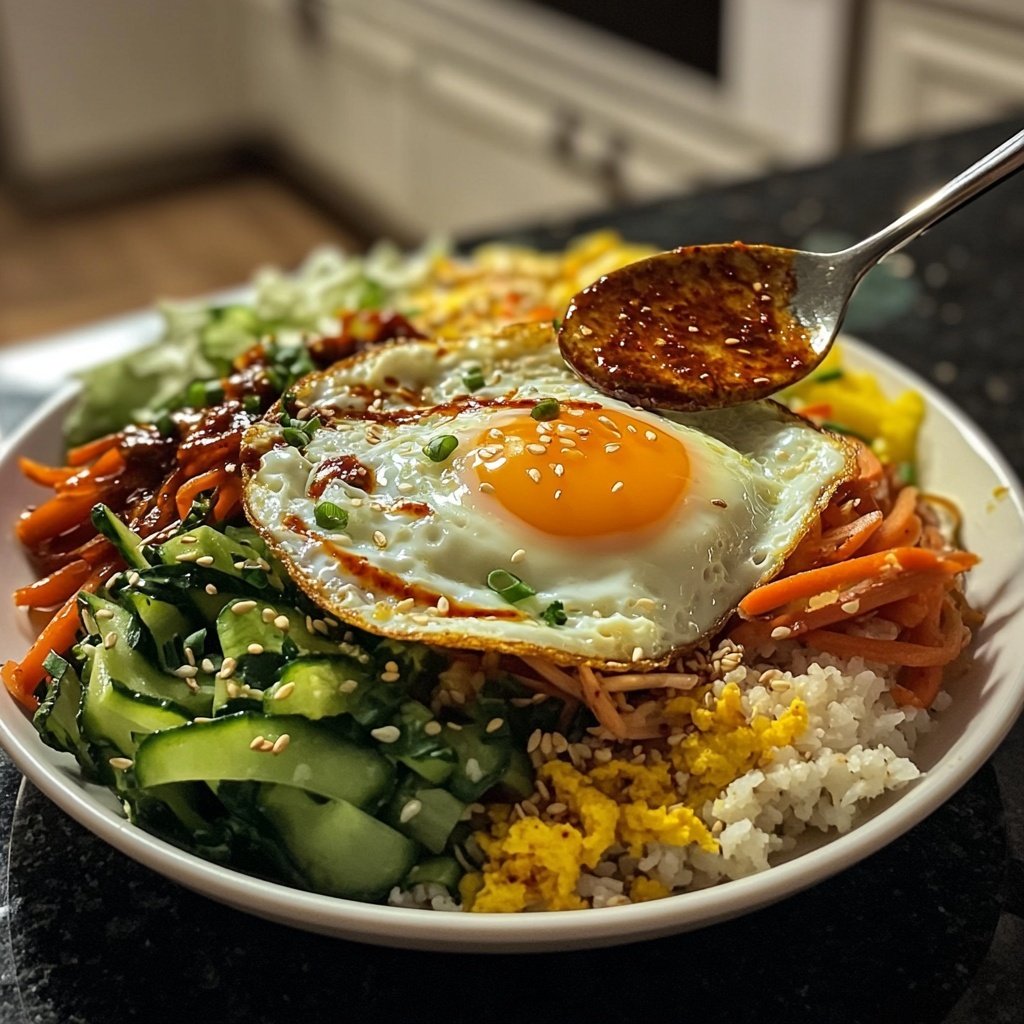
Korean Bibimbap is a vibrant and nutritious dish that brings together a medley of vegetables, rice, and protein, all topped with a fried egg and spicy gochujang sauce.
Korean Bibimbap is not just a meal; it's a celebration of flavors and colors. Originating from Korea, this dish has become popular worldwide for its deliciousness and visual appeal. Each ingredient brings a unique texture and taste, making every bite a delightful experience.
Why You'll Love This Recipe
- A colorful array of fresh vegetables for a healthy meal
- Customizable with your choice of protein and toppings
- Deliciously spicy and savory with gochujang sauce
The Nutritional Benefits of Bibimbap
Korean Bibimbap is not only a feast for the eyes but also a powerhouse of nutrition. Each ingredient in this dish brings its own unique set of vitamins and minerals. For instance, spinach is rich in iron and calcium, promoting strong bones and overall health. Meanwhile, carrots provide a boost of beta-carotene, which supports eye health and enhances skin complexion.
The variety of vegetables in Bibimbap ensures you get a wide range of nutrients. Bean sprouts are an excellent source of protein and fiber, while zucchini adds hydration and antioxidants. This vegetable medley makes Bibimbap a wholesome choice for anyone looking to incorporate more plant-based foods into their diet. With such a vibrant array of colors, you can be sure you're nourishing your body effectively.
Customizing Your Bibimbap
One of the best aspects of Bibimbap is its versatility. You can easily tailor the recipe to your taste preferences or dietary needs. Whether you’re a vegetarian, vegan, or meat lover, there’s a delicious option for everyone. For a plant-based version, simply skip the eggs and add tofu or tempeh for protein. You can also experiment with different vegetables based on what's in season or what you have on hand.
Additionally, the choice of protein is entirely up to you. Popular options include beef, chicken, or even seafood, all of which can be marinated and cooked to add more flavor to your dish. The beauty of Bibimbap lies in its adaptability, making it a fantastic dish for meal prepping or hosting gatherings where everyone can create their own perfect bowl.
Perfecting Your Gochujang Sauce
The spicy gochujang sauce is a signature element of Bibimbap that ties all the flavors together. Made from fermented red chili paste, it adds a depth of flavor that is both spicy and slightly sweet. If you're new to gochujang, start with a smaller amount and adjust to your heat preference. You might also consider mixing it with a bit of sesame oil or honey for a unique twist on the traditional flavor.
For those who prefer a milder sauce, you can create a yogurt or mayonnaise-based alternative. Simply mix in a small amount of gochujang with yogurt and a splash of lime to create a creamy topping that still honors the dish's Korean roots. Whatever sauce you choose, it’s the finishing touch that elevates your Bibimbap experience.
Ingrediënten
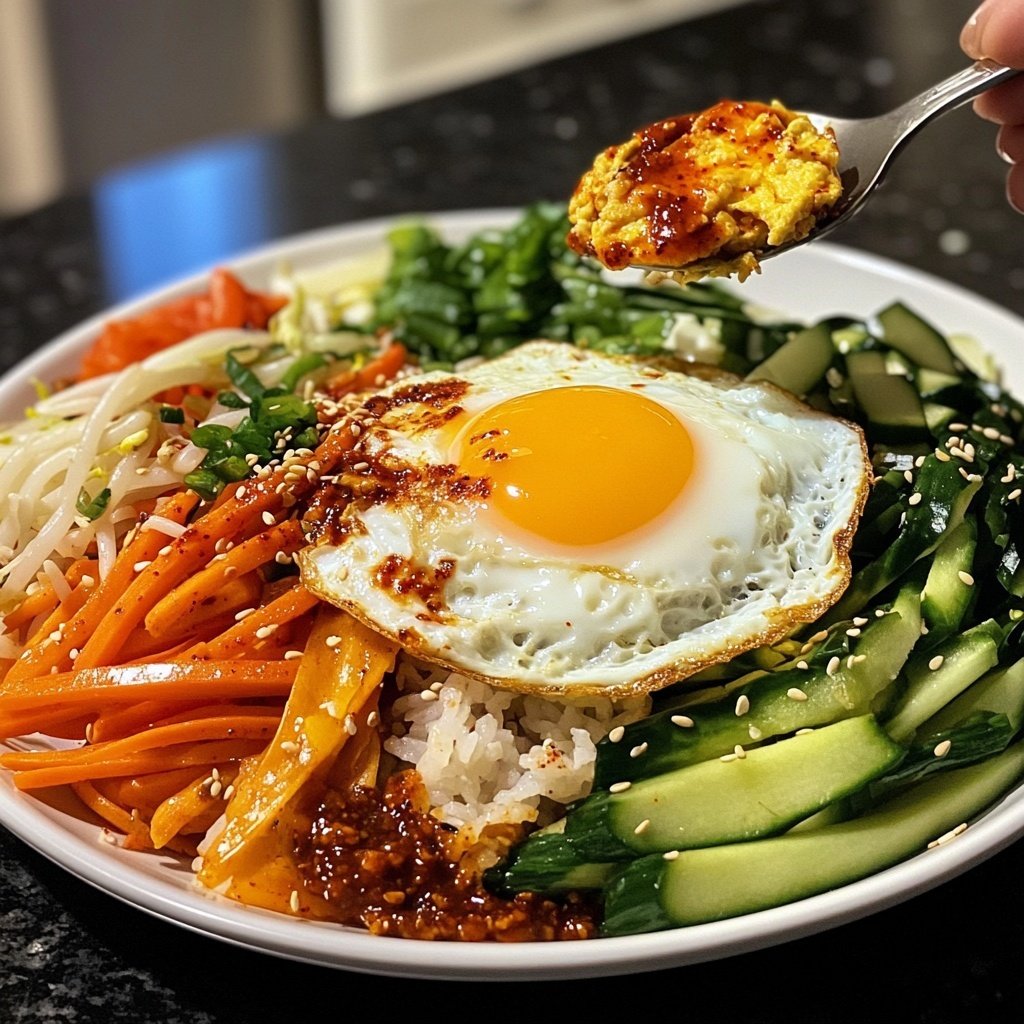
Gather the following ingredients to make your Korean Bibimbap:
Ingredients
- 2 cups cooked rice
- 1 cup spinach, blanched
- 1 cup bean sprouts, blanched
- 1 carrot, julienned
- 1 zucchini, julienned
- 1 cup shiitake mushrooms, sliced
- 2 eggs
- 2 tablespoons gochujang (Korean chili paste)
- 1 tablespoon sesame oil
- Salt to taste
- Sesame seeds for garnish
Make sure to prep all ingredients before cooking for a smoother process.
Bereidingswijze
Follow these steps to create your perfect Bibimbap:
Prepare the Vegetables
In a large skillet, heat sesame oil over medium heat. Sauté the mushrooms, zucchini, and carrots separately until tender. Season with a pinch of salt. Set aside each vegetable.
Cook the Eggs
In the same skillet, fry the eggs sunny-side up until the whites are set but the yolks remain runny.
Assemble the Bibimbap
In a bowl, place a serving of rice at the bottom. Arrange the sautéed vegetables and bean sprouts on top of the rice. Place the fried egg in the center and drizzle with gochujang. Sprinkle sesame seeds on top.
Serve
Mix everything together before eating to enjoy the full flavor of Bibimbap!
Enjoy your homemade Korean Bibimbap!
Professionele Tips
- Feel free to customize the toppings with your favorite vegetables or proteins such as beef, chicken, or tofu.
Storing Leftovers
If you find yourself with leftovers after enjoying your Bibimbap, fear not! This dish stores quite well. Simply keep the components separate in airtight containers to maintain freshness. The rice can be reheated in the microwave, and the sautéed vegetables can be quickly warmed in a skillet. Remember to keep the fried egg and gochujang sauce separate until you're ready to serve to preserve their textures.
When reheating, be cautious not to overcook the vegetables to maintain their crispness and nutritional value. With a few minutes of reheating, you can enjoy your delicious Bibimbap again, making it a fantastic option for meal prep or quick lunches.
Serving Suggestions
Korean Bibimbap is a meal that stands beautifully on its own, but it can also be complemented with a few side dishes. Consider serving it with a small bowl of kimchi, a traditional fermented side dish that adds a tangy crunch and a probiotic boost. Additionally, pickled vegetables can provide a refreshing contrast to the rich flavors of Bibimbap.
For a complete Korean dining experience, pair your Bibimbap with a light soup, such as miso or seaweed soup. This adds warmth to your meal and enhances the overall flavor profile. Enjoying your Bibimbap with these sides makes for a delightful and satisfying dining experience.
Vragen Over Recepten
→ Can I make Bibimbap in advance?
Yes, you can prepare the ingredients in advance and assemble them just before serving.
→ What can I substitute for gochujang?
If you don't have gochujang, you can use Sriracha or another hot chili paste, but the flavor will differ.
→ Is Bibimbap gluten-free?
Yes, as long as you use gluten-free soy sauce or skip it, Bibimbap can be gluten-free.
→ Can I add meat to my Bibimbap?
Absolutely! Grilled beef, chicken, or pork are popular additions to Bibimbap.
Korean Bibimbap
Gemaakt door: Ione Rutherford
Recepttype: Wereldse Favorieten
Vaardigheidsniveau: Beginner
Eindportie: 2 servings
Wat je Nodig Hebt
Ingredients
- 2 cups cooked rice
- 1 cup spinach, blanched
- 1 cup bean sprouts, blanched
- 1 carrot, julienned
- 1 zucchini, julienned
- 1 cup shiitake mushrooms, sliced
- 2 eggs
- 2 tablespoons gochujang (Korean chili paste)
- 1 tablespoon sesame oil
- Salt to taste
- Sesame seeds for garnish
Stappen
In a large skillet, heat sesame oil over medium heat. Sauté the mushrooms, zucchini, and carrots separately until tender. Season with a pinch of salt. Set aside each vegetable.
In the same skillet, fry the eggs sunny-side up until the whites are set but the yolks remain runny.
In a bowl, place a serving of rice at the bottom. Arrange the sautéed vegetables and bean sprouts on top of the rice. Place the fried egg in the center and drizzle with gochujang. Sprinkle sesame seeds on top.
Mix everything together before eating to enjoy the full flavor of Bibimbap!
Extra Tips
- Feel free to customize the toppings with your favorite vegetables or proteins such as beef, chicken, or tofu.
Voedingswaarde (Per Portie)
- Calories: 500 kcal
- Total Fat: 18g
- Saturated Fat: 4g
- Cholesterol: 186mg
- Sodium: 600mg
- Total Carbohydrates: 70g
- Dietary Fiber: 5g
- Sugars: 3g
- Protein: 15g